There's got to be a better way
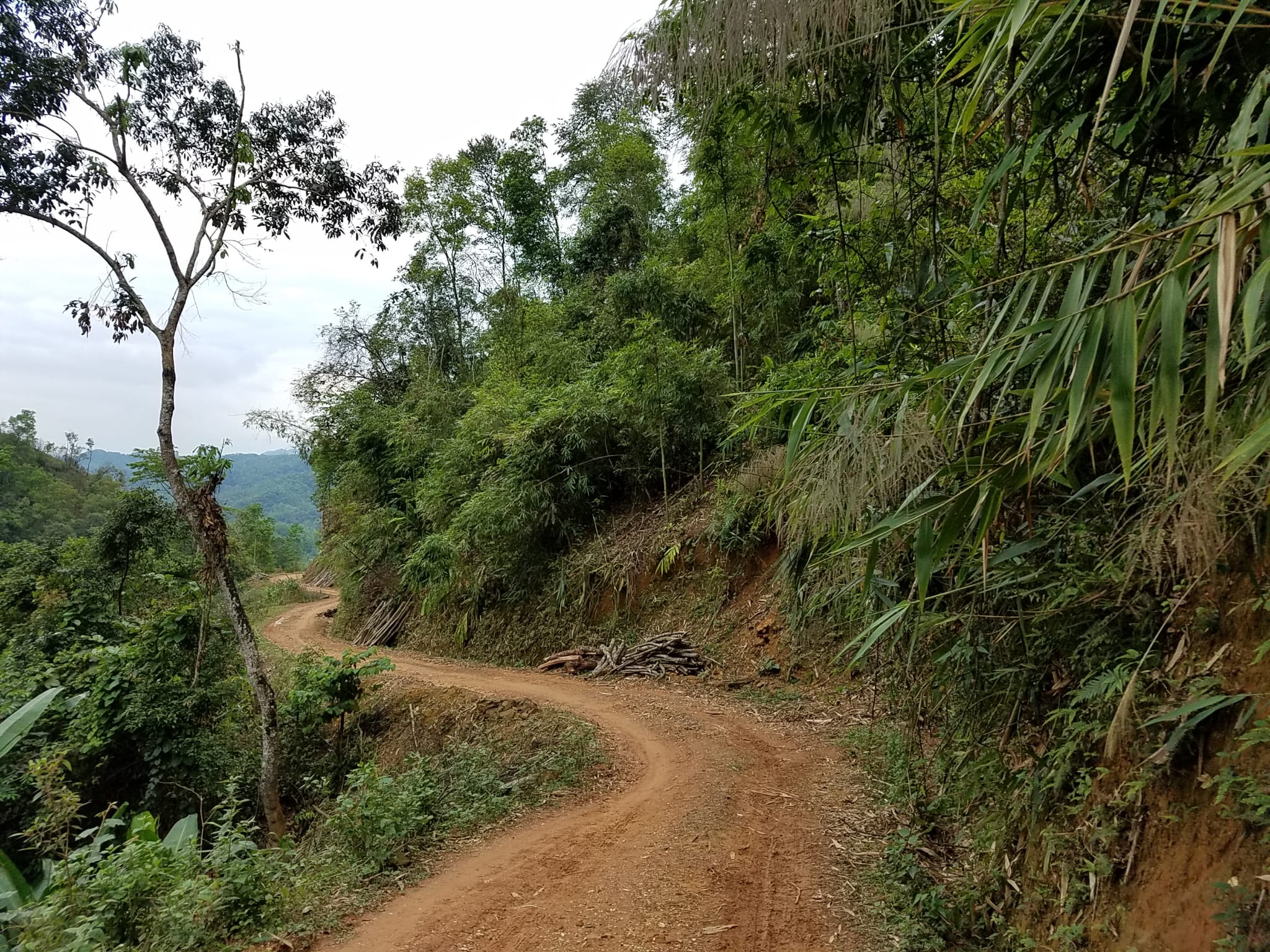
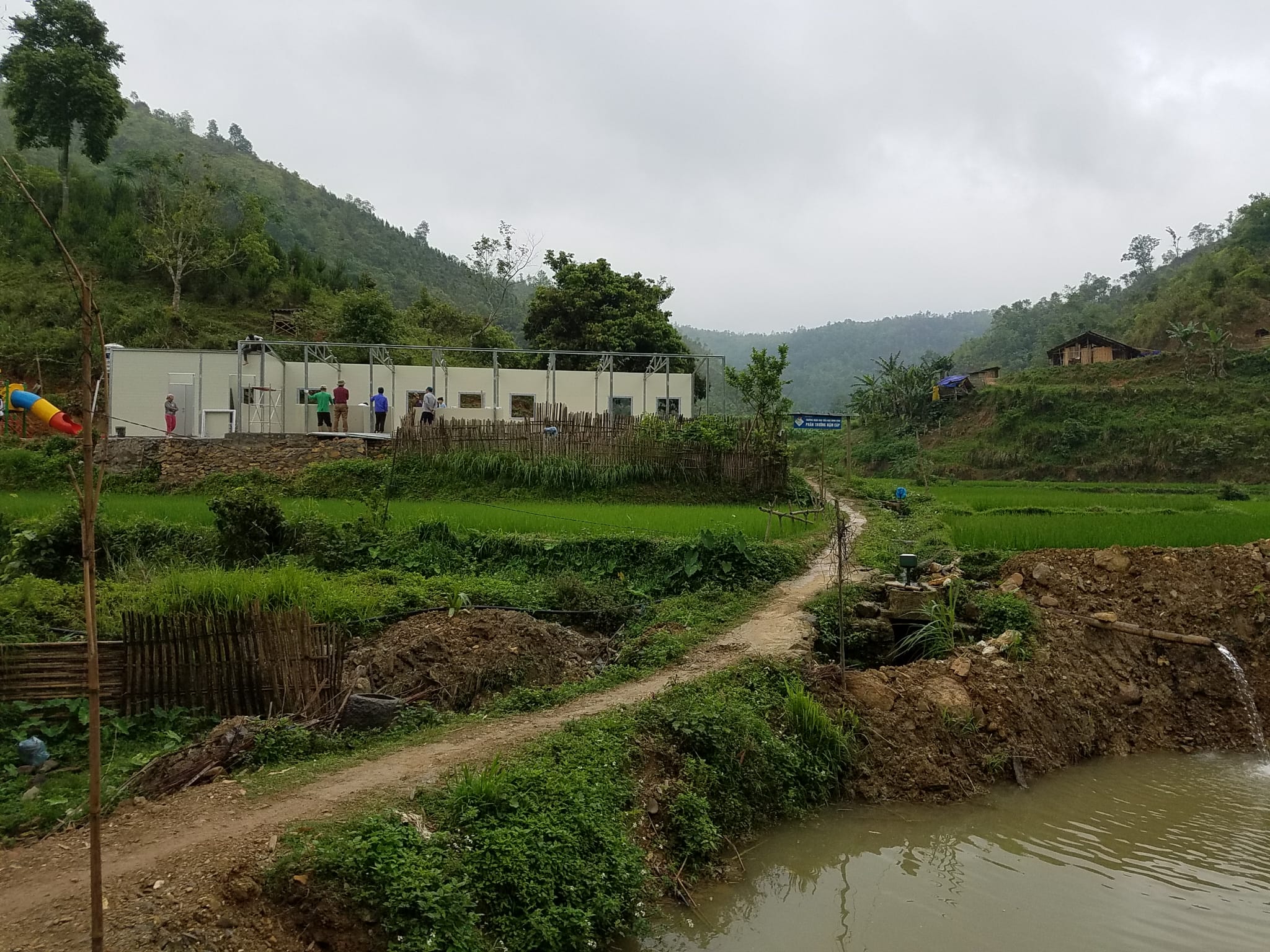
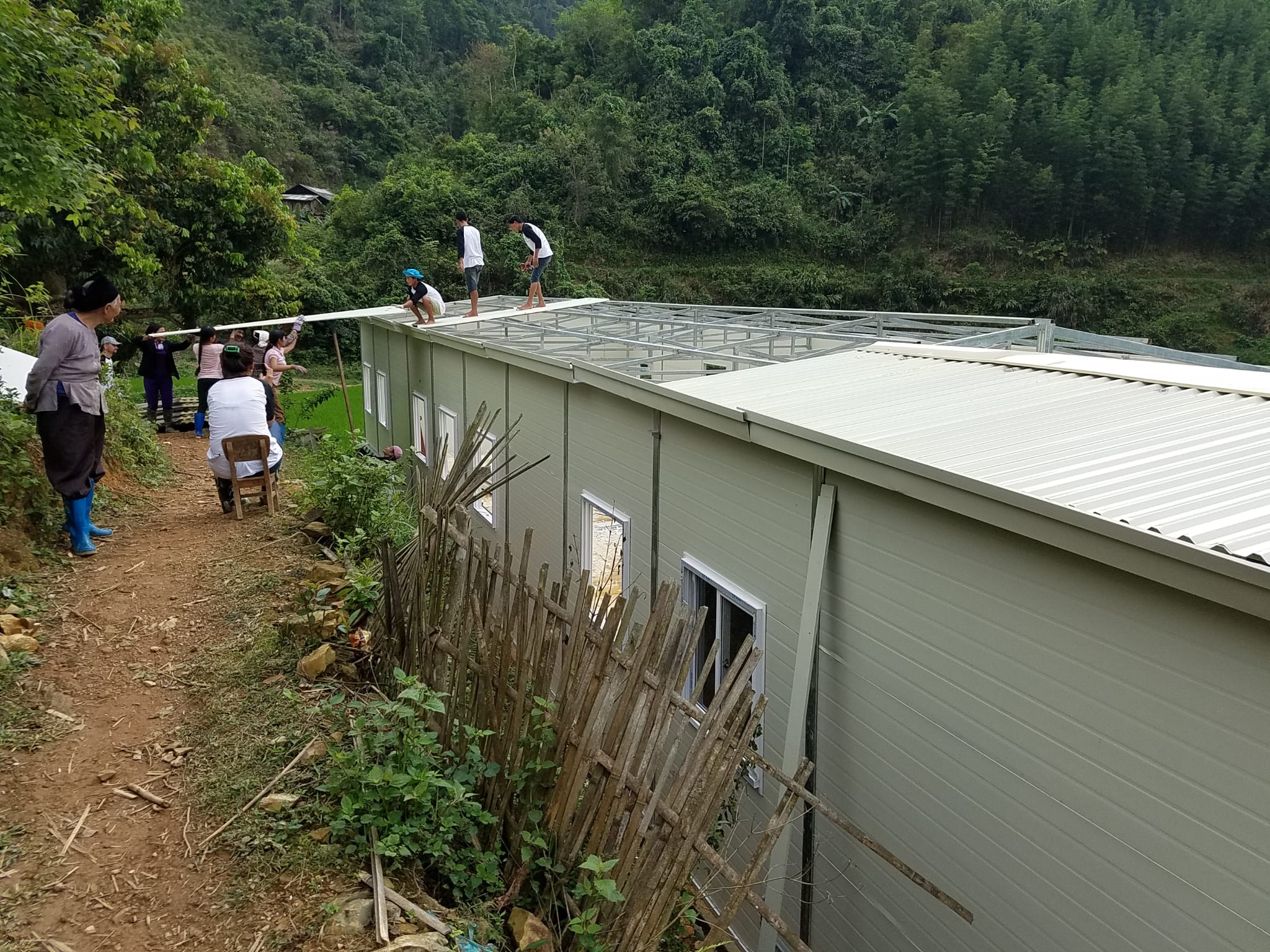
In 2016, Ryan Condron was in remote Vietnam helping to build a school. Getting materials to the site was harder than building the structure itself. Roads were unreliable, equipment was limited, and every delay came down to the same problem: logistics dictated what was possible, not need.
That experience stayed with him. Across the world—whether in developing regions, disaster zones, islands, or remote industrial sites—the challenge repeated itself. Moving heavy or oversized cargo required massive infrastructure, enormous cost, or both. When infrastructure failed or didn’t exist, progress stopped.
While driving eight hours up into the mountains of Northern Vietnam, Ryan stared out the window and had an epiphany. What if cargo didn’t depend on roads, ports, or runways at all? What if lift, not infrastructure, was the starting point?
Float was born from that idea. By rethinking buoyant lift through the lens of modern aerospace engineering, Float set out to build a practical airship—one designed not for novelty, but for real-world logistics. The goal wasn’t to reinvent flight for its own sake, but to unlock a more flexible, resilient way to move cargo where traditional systems fail.
Today, Float is focused on turning that original insight into a scalable logistics platform—one that expands access, reduces friction, and makes critical movement possible in places the world too often overlooks.